Fatigue - Finger Prick
Are you frequently tired, do you have low energy, or do you feel less fit than usual? Fatigue can have many different causes. With this fatigue test using a finger prick, you can check a number of important blood values that can help identify possible physical factors behind your fatigue symptoms.
This test provides insight into your complete blood count, iron stores, vitamin B12, vitamin D, and thyroid function (TSH).
What is measured?
- Complete Blood Count (CBC): A complete blood count examines various components of the blood, including red and white blood cells and platelets. It also assesses values that are important for evaluating anemia. Abnormalities in the complete blood count may be associated with fatigue, weakness, or reduced stamina, among other symptoms.
- Ferritin: Ferritin is a protein that stores iron and provides an indication of the body’s iron stores. A low ferritin level may indicate low iron stores. This can already cause symptoms such as fatigue, even when there is no clear sign of anemia yet.
- Vitamin B12: Vitamin B12 is important for, among other things, the production of red blood cells, the nervous system, and energy metabolism. A deficiency can be accompanied by symptoms such as fatigue, weakness, and neurological symptoms.
- Vitamin D: Vitamin D is important for the muscles, bones, and immune system, among other things. Low vitamin D levels can be associated with symptoms such as fatigue and muscle weakness.
- TSH: TSH is a hormone that regulates the thyroid gland and is often used as an initial screening test for thyroid function. A thyroid gland that is underactive or overactive can, among other things, affect your energy levels.
When might this test be useful?
This test may be useful if you:
you experience frequent or prolonged fatigue;
you have low energy;
you feel weak or less fit;
you want to check your iron and vitamin levels;
want to know if there are any signs of anemia;
want to get an initial idea of your thyroid function;
want to check important blood values when experiencing symptoms of fatigue.
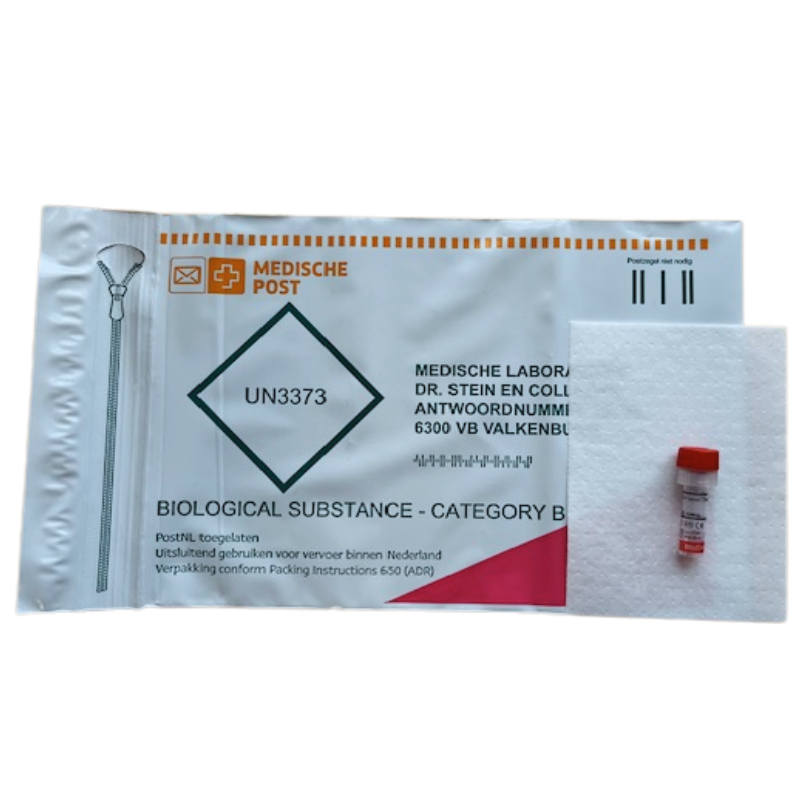
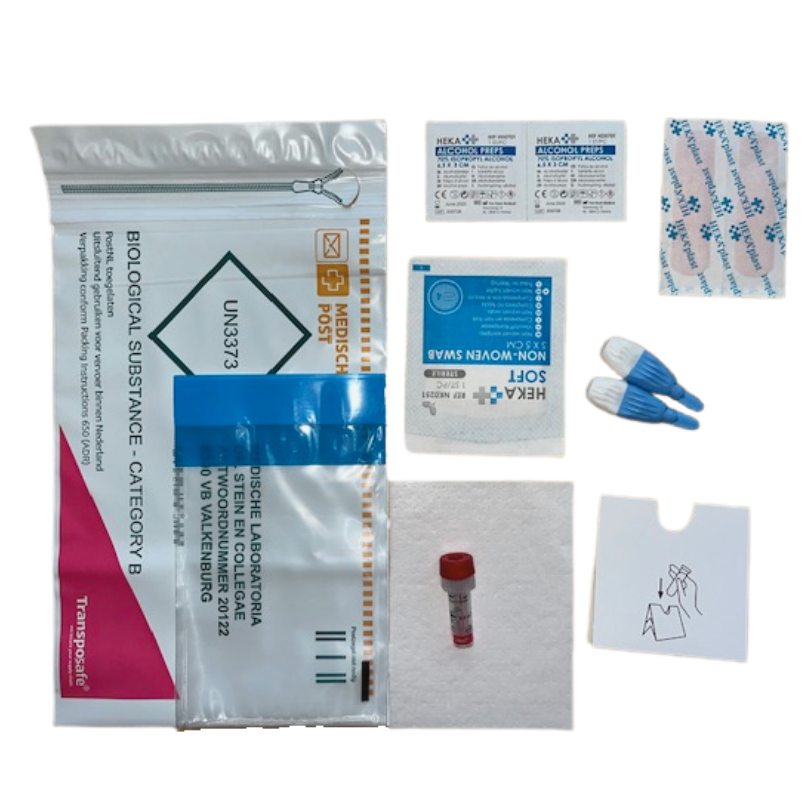
For this test, you’ll collect a small amount of blood yourself at home via a finger prick. You’ll receive a blood collection kit with clear instructions.
Good to know: Fatigue can have many different causes. Normal test results therefore do not rule out the possibility that there is another cause for your symptoms. Discuss persistent or severe fatigue symptoms with your primary care physician.