
Category: General
Do you take statins? Then don't forget Q10, for your heart, energy and health
Q10 is essential for your energy production and heart health, but is inhibited by statins. Supplementation can help prevent arteriosclerosis, but always consult with your doctor when using blood thinners. Have your health measured via Blood Value Test and work on the cause through lifestyle.
Many people know Coenzyme Q10 as a supplement used for muscle pain or fatigue due to the use of statins (cholesterol-lowering drugs). But Q10 is much more than that: it is essential for your energy level, heart function and may help inhibit atherosclerosis.
If you take statins without supplemental Q10, you are unknowingly at risk for structural energy deficiency.
What is Q10 anyway?
Coenzyme Q10, also called ubiquinone, is a substance that your body makes itself. It plays a key role in the production of ATP (Adenosine TriPhosphate) in the mitochondria - the energy factories of our cells. ATP is the energy every cell needs to function. Your heart muscle in particular needs a lot of it.
In addition, Q10 acts as an antioxidant: it protects your cells from free radical damage and prevents oxidation of LDL cholesterol, a key factor in the development of arteriosclerosis.
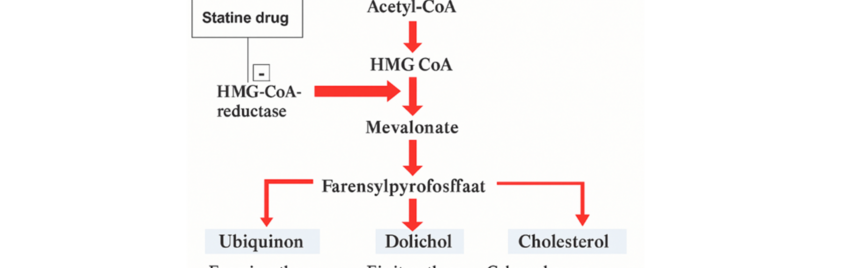
Statins also block Q10 production
Statins lower cholesterol levels by inhibiting an enzyme in the liver. However, that same enzyme is also involved in the production of Q10. Those on statins therefore make less Q10 - and thus produce less energy. This explains why many people when taking statins suffer from:
- Fatigue
- Muscle weakness or muscle pain
- Shortness of breath or lower exercise tolerance
Q10 against arteriosclerosis and heart failure
Recent research shows that Q10 can not only help reduce the side effects of statins, but also actively contributes to cardiovascular health. The well-known KISEL-10 study showed that supplementation with Q10 in combination with selenium significantly reduces the risk of death from heart disease and can inhibit age-related decline in heart function.
In addition, Q10 supports the energy balance of heart cells, improves blood flow and may contribute to improved exercise tolerance in people with impaired heart function.
When to consider Q10?
- When using statins or other cholesterol-lowering drugs.
- For persistent fatigue or muscle complaints with no apparent cause.
- In old age or impaired heart function (in consultation with physician or specialist).
Measuring and replenishing Q10
Your Q10 levels can be measured through blood tests. This provides insight into your energy status and antioxidant capacity. If any abnormalities are found that require medical follow-up, a doctor from Blood Value Test will always contact you first.

